

How I Write - Sarra Manning
The romance writer's romance writer tells us about the ups and downs of a 30+ year writing career, her tips for writing great romance and why she likes a reader map.

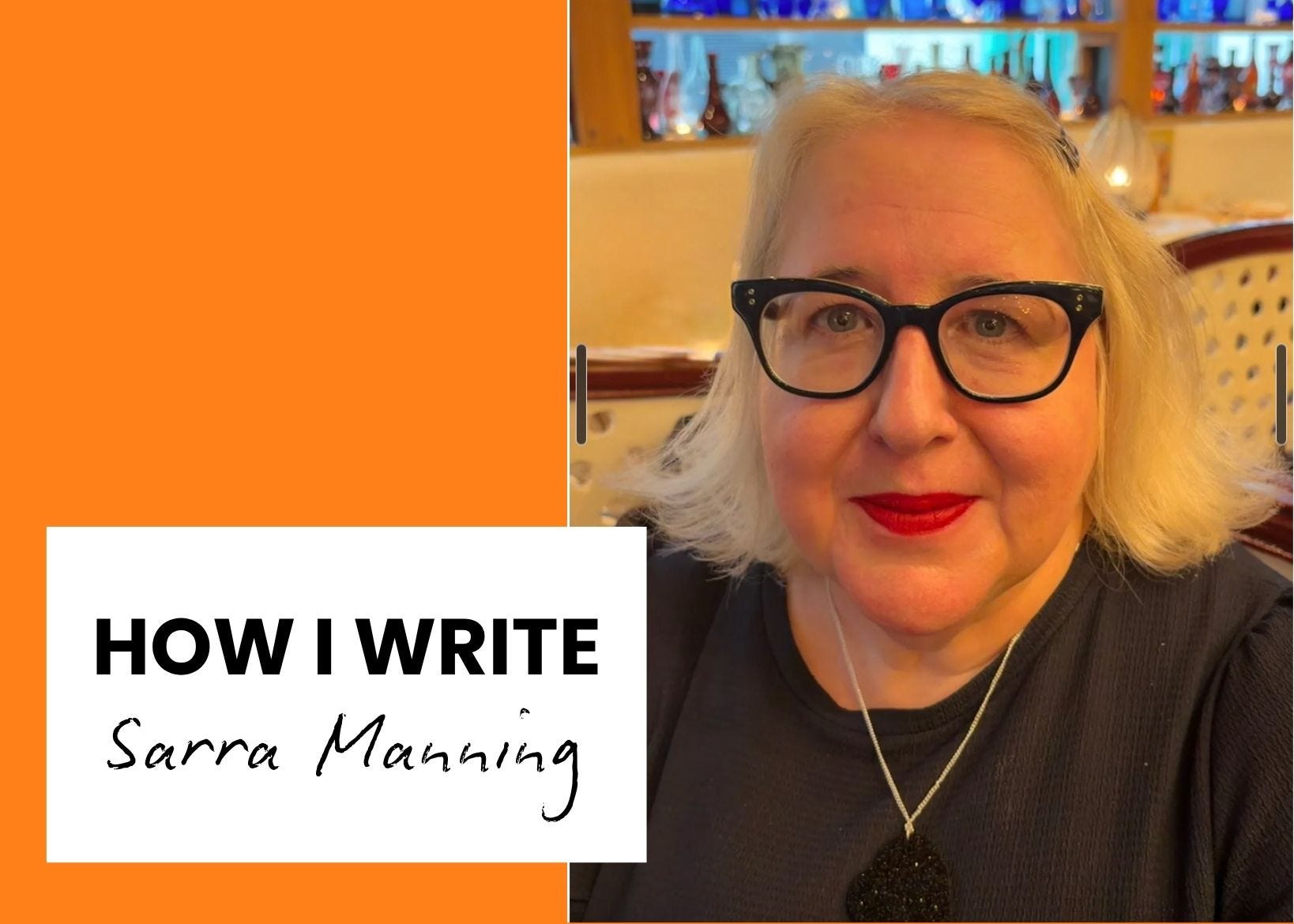
As you might know, I started my writing career nearly thirty years ago (gulp!) on a magazine called More. It was a young women’s magazine - a little like Sassy magazine if you want a US comp - and we shared a floor with Just Seventeen, which was pitched a little younger than us, but had just as much spirit. Our magazines were not the most prestigious titles in the building, not like Elle downstairs, but so much talent passed through the pages of More and Just Seventeen, like a young Yasmin Le Bon, Jude Law and Gerard Butler. It was like a hot-house, a talent incubator, a showcase for future stars on their way up.
The staff too, were brilliant. I don’t think I’ve met a more creative group of people in my career. We were encouraged to be quirky, fun and fast with the generation of ideas. There was no better training ground for a career in the media and many went on to do amazing things.
Like one of the young writers on Just Seventeen, Sarra Manning, the much-loved and highly-acclaimed romance writer.
Ask any women’s fiction writer for their favourite ‘funny’ novelist and Sarra will often show up on their list.
Her latest spy rom-com Operation: Live, Laugh, Spy has just been optioned for TV by Elizabeth Murdoch and Jane Featherstone’s production company Sister, but by Sarra’s own admission, it’s been a thirty year long career of highs and lows.
I thought I’d catch up with her to discuss the lessons she’s learnt in three decades in publishing and it was one of the most honest chats I’ve had about life as a working author. Grab a cup of tea and settle in…
Sarra - hello! We’ve know each other from the teen magazine years but I don’t think we’ve ever discussed how you got into journalism and then books.
I never dreamed of being a novelist as it seemed like such an unlikely, lottery winner kind of career path, but being a journalist felt more doable. It took me three years after I graduated from university and all manner of weird writing and writing-adjacent jobs including transcribing tapes for a business journalist, being a life model, freelancing for Melody Maker before I got my dream job, Staff Writer on Just Seventeen.
The voice of a seventeen year old girl felt like a natural fit for my writing style and it turned out that I did really want to write novels too but had no idea how one went about doing that. Teen fiction (YA wasn’t even a thing back then,) was either very serious issue-based novels or quite one dimensional romances and I wanted to write something in between. I couldn’t get an agent. I was rejected quite brutally and told that my ideas were too leftfield and would never get published.
By then I’d been on Just Seventeen for about three years and started writing a fictional column, Diary Of A Crush, about a gamine, quirky teenager called Edie, and Dylan, the tousle-haired artboy she falls in love with. Our readers went feral for it, it ran for over five years, and an editor at Hodder Children’s emailed me to say that she loved it and asked if I’d ever thought about writing a novel. Within three weeks, I had a publishing deal for Guitar Girl, the novel I was told by various agents would never find a publisher.
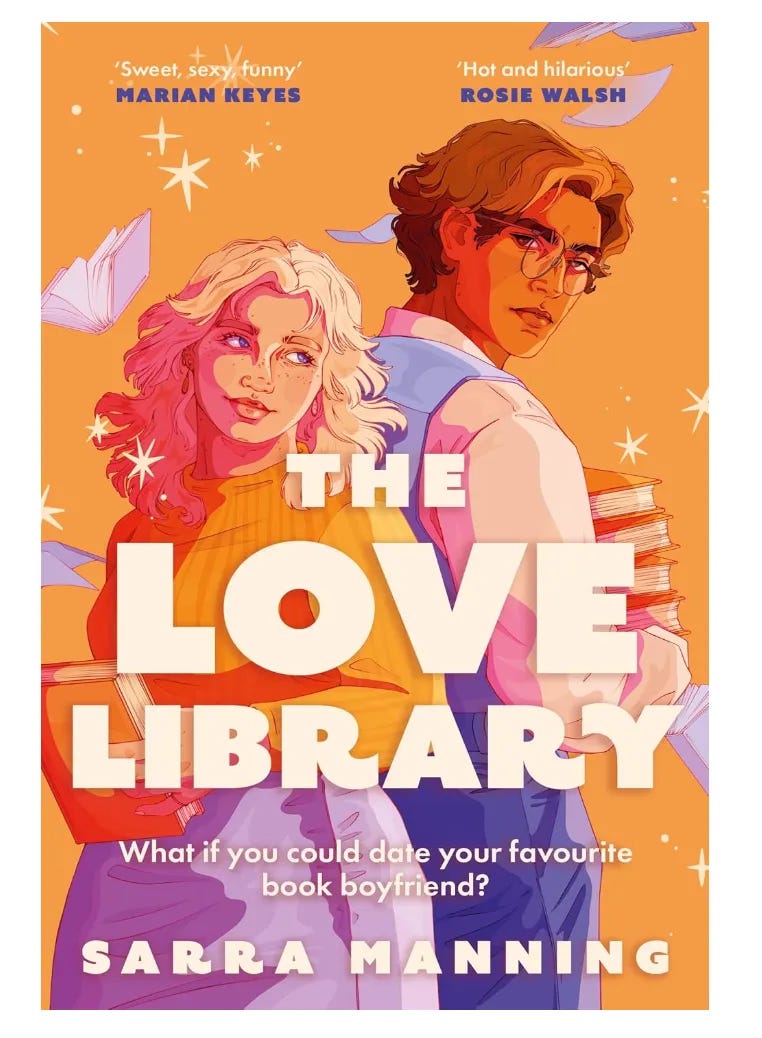
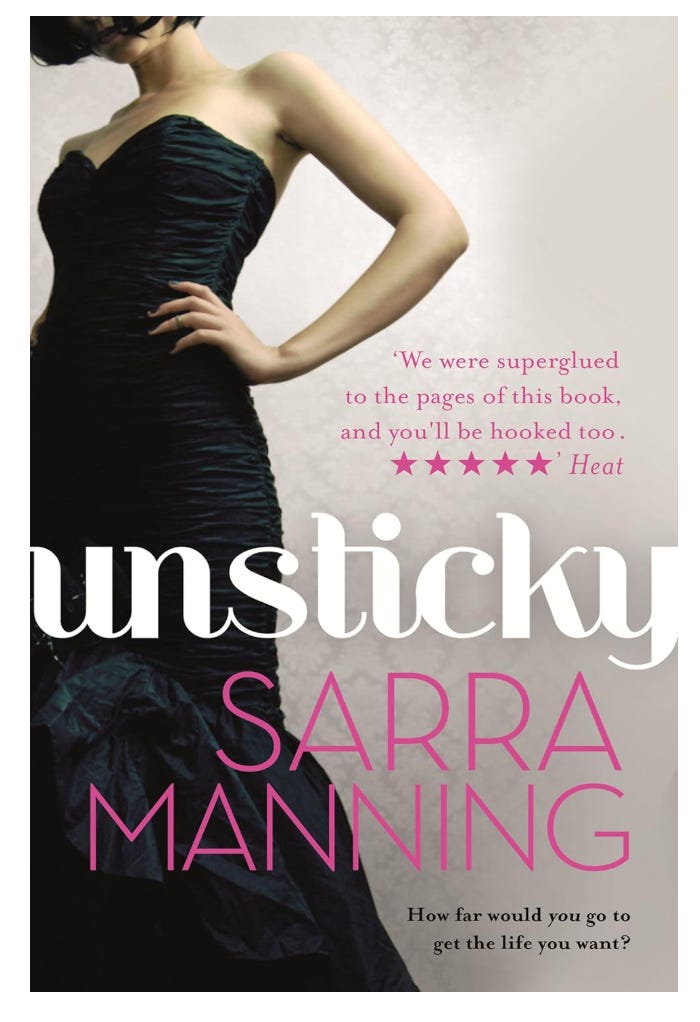
Then much later on, when I was made redundant, I took what felt like a real plunge and wrote my first grown up novel, Unsticky, about a fashion assistant on a po-faced, cut throat fashion monthly who signs up to be a wealthy art dealer’s mistress. (Can I just point out this was way before 50 Shades Of Grey. Unsticky is more of an indie sleaze Pretty Woman?)
Unsticky was very much inspired by the time I spent on ELLE magazine and it’s teen little sister, ELLEgirl, though the ELLE team were lovely and we ate lots of cake in the office.
Where do you do most of your writing?
I do ALL of my writing sitting at my desk in my study. It’s the only place I can write. I’m not a whimsical girlie who can write in bed or in aesthetically pleasing coffee shops.
Can you describe your routine?
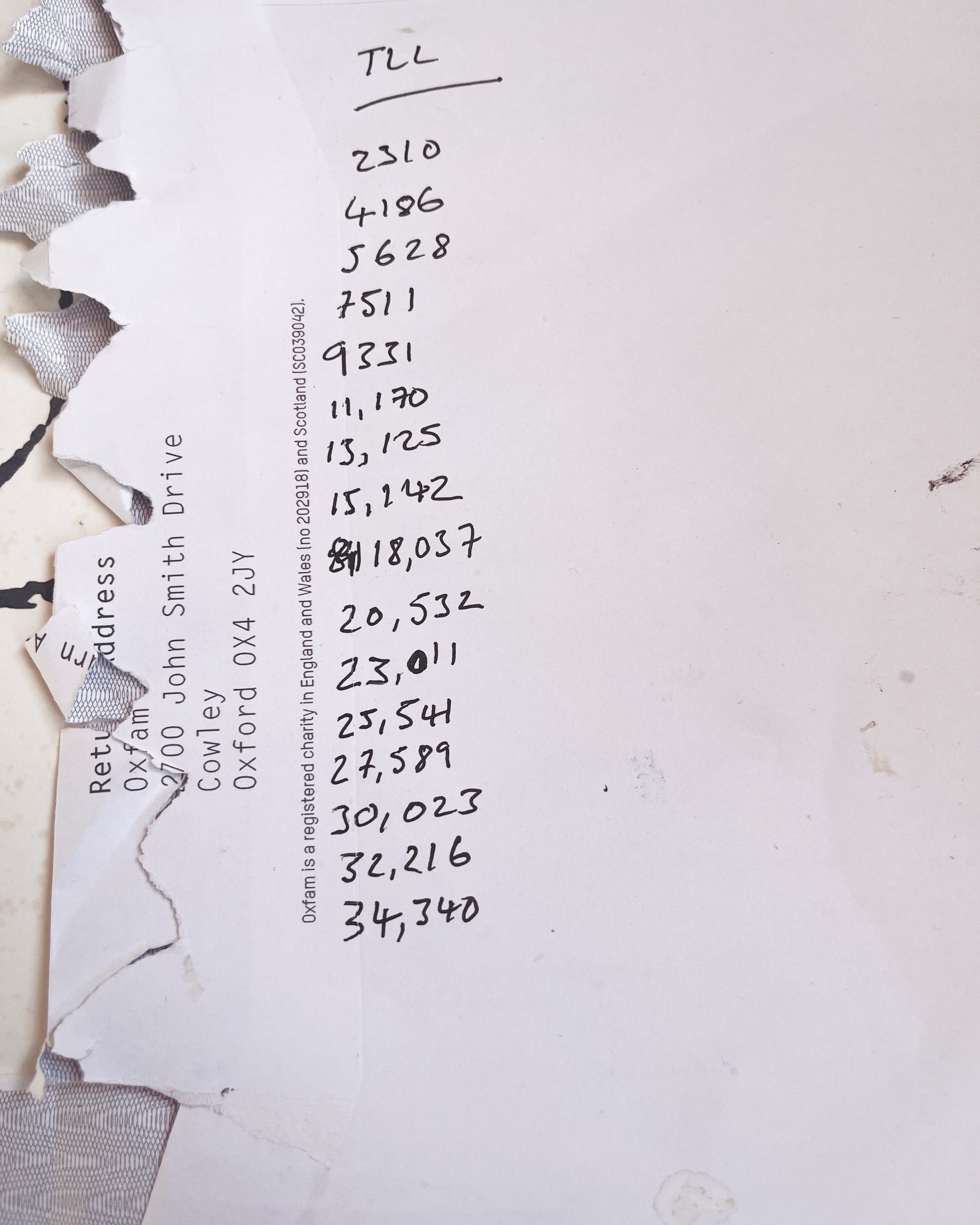
Unless we’re experiencing a heatwave and I have to get my writing done in the morning before the full force of the afternoon sun hits my study, I spend the morning faffing about with Duolingo, Instagram reels, maybe the odd email. A break for lunch. More faffing. Then I realise it’s four pm and I haven’t got a single word down (though I would argue that all the faffing was me just thinking writerly thoughts) and then I set a 25 minute timer on my phone and start writing.
I aim for a 2500 word daily quota and it takes me about four to five twenty five minute sessions to get them down. (The Pomodoro technique works when all else, even locking myself out of the wifi, has failed.)
What does a perfect ‘author’ day look like?
Really, it much the same as above. A perfect ‘author’ day for me is when the writing is really flowing. When I’m absolutely immersed in the story that I’m telling and all I want to do is write it into existence. A good writing day is a high like no other.
You were Red magazine’s literary editor for 10 years. What did that teach you?
All thanks to my friend Sarah Bailey, who was editor of Red at the time and had been the editor of Just Seventeen who gave me my first staff writer job. She emailed me to ask if I’d be interested and I almost bit her hand off because I was so interested.
It was at a time when I was really struggling as a novelist, I was stony broke and out of contract and so to suddenly have a side-hustle, a monthly income and being paid to read was the dream. I really loved book reviewing; it was fascinating to see the publishing industry from a different POV, I had literally sackloads of books being delivered to my house and it was an opportunity to put my mark on the book pages. Not just in how I wrote the reviews (there is a real, underappreciated art to writing a sixty five word review that precis a book, gives an opinion and also has some personality) but also in the books I reviewed. I was really proud that there was a quality control on what was considered a Red book. Not simply reviewing the latest book from a big name author, but choosing books that I really enjoyed and that I knew would resonate with the Red reader.
I also learned to read outside of my comfort zone, which was basically novels written or set between 1930 and 1960. I discovered that I really enjoyed crime and thrillers, which in turn taught me so much about pacing and plot with my own writing. I also read and loved some “literary” writers, whom I’d always been intimidated by like Elizabeth Strout, Anne Tyler, Ann Patchett (all the Ann(e)s!) and Anthony Quinn.
You’re primarily known as a romance writer, often praised for characterisation. Do you think your mag experience helped with that?
I’m a really character driven writer and part of my writing process is not to write but percolate an idea for a good few months, in which time my characters are lodged in my head and feel like real people to me. I don’t think that comes from my magazine days but one trick I did learn from back then was how to do a reader map. When I’m thinking about my characters, I sometimes employ that technique to really drill down on who they are and what makes them tick. Questions like, what do they keep in their bedside drawer? What music do they listen to when they’re getting ready to go out out? What was the last thing that made them cry?
You’ve been writing for nearly 30 years. Tell us about the ups and downs.
Over thirty years, because I am very old! Getting that staff job on Just Seventeen was a real high. It was so validating; it felt like an immense privilege and like I’d come home too. There have been so many pinch me moments; seeing Guitar Girl, my debut novel, in a bookshop for the first time, big up Southend Waterstones. I’ve had a couple of big book deals but for me, and I’m aware that this sounds so wanky, the ups are getting to write novels that I’m proud of. That I’ve managed to sustain a career for so long, doing something I love, is not something I ever take for granted.
Which leads me to the downs, of which there have been so many. I’ve come perilously close to bankruptcy, I’ve had lots of sleepless nights worrying and raging and catastrophising over book-related stuff and having to come to terms with probably always being a bottom-of-the-midlist writer who’s never quite found her readers. Not helped by things like losing five out of six people from my core publishing team (to redundancy or people quitting before they could be made redundant) in the run up to my what was meant to be my breakout novel publishing in paperback.
I could go on and on but that’s what the group chat is for.
What did the ‘downs’ teach you about the industry?
Having done this for over thirty years, I now have the gift of hindsight and understand that not everyone’s publishing career is linear. I wish it was a case that with every new book, I build my reader base but that’s not how it’s gone. Much as I am a really creative person, I also have to treat writing as a business (because it is!) and there’s no shame in being commercially minded, looking at the market and being savvy about what I write. The trick is to still write something that feels very true to myself and believing in the story that I want to tell.
About ten years ago, when things were very bleak, I looked around to see what was selling and wrote the first book in a cosy romance series under a pseudonym (The Lonely Hearts Bookshop by Annie Darling.)
That series and the subsequent series (The Vintage Dress Shop in Primrose Hill) were very much intended to be a diffusion line project. The Miu Miu to Sarra Manning being the Prada, if you will. They’re quick and fun to write but still books that I believe in. Despite no publicity or marketing, they’ve gone on to sell really well in foreign markets, and have given me a financial cushion and a breathing space creatively.
But more than anything, my mantra is “publishing is what happens in between writing books.” Like many writers, I don’t have much control over how my books are published (like the archetypal bad boyfriend, publishers are great at lovebombing you in the early stages, not so good with the follow through.)
The only part of the process that I can own is writing the best book that I am able to write. I put a piece of my heart into every book, every draft. There is not a single sentence that I haven’t agonised over. I’ve held up my side of the deal and, I feel this more and more, if the book doesn’t sell well, it’s not my fault. Even if it is my problem!
But now Operation: Live, Laugh, Spy has been optioned for telly in a multi-way auction! Tell us about that.
Once again, my writing career was Not Going Well. (This is a constant theme in my life!) I was out of contract and there was no way my current publishers were going to renew. I agreed with my agent that I’d go off and write the first book in a four book, historical, Cazalets-style series that I’d wanted to write for at least a decade. But I got the fear and was too paralysed to even start. I was in such despair about my writing, about the world in general.
But then an idea just came to me, I scribbled some stuff down on my Notes app about a “very nosy, bordering on stalkerish woman who can find out anything using Google. A very specific skill set that all her friends use. Even friends of friends. And women she meets in the loos on a night out.”
Kylie Clark, a beauty tech who gets headhunted by MI5 to go undercover in a beauty salon run by an OCG looking to auction off a chemical weapon, was born. I threw in an arrogant but really sexy handler called Locke and then a few weeks later, I admitted to my agent that I wasn’t writing the historical series, I was writing a spy romcom.
Writing Live, Laugh, Spy was so joyous and liberating. I remembered how much I loved telling stories and also it felt very of the moment. In a world held to ransom by really bad people doing really bad things, Kylie’s kindness and empathy were her superpowers.
It went out under a pseudonym (in the interim I was contracted to write The Love Library as Sarra Manning,) on a limited submission to the UK and the US. It also went out to literary scouts, just so they could read it and know it was coming down the line.
The scouts loved it and unbeknownst to us, sent it out to lots of film and TV people. I didn’t even have a film and TV agent at this stage. Long story short, we ended up in a ten way auction and it was optioned for TV by Sister Productions. It was funny to me that while it was harder to get a publishing deal because it was a mash up of genres, that was why it was so appealing to TV and film companies.
Do you write with TV or film in mind now?
Absolutely not. Or rather, every novel that I’ve ever written I’ve seen in my head playing like a film and always think it would make a great TV series or film, but it’s still all about telling a story that I want to tell and shutting out any other noise.
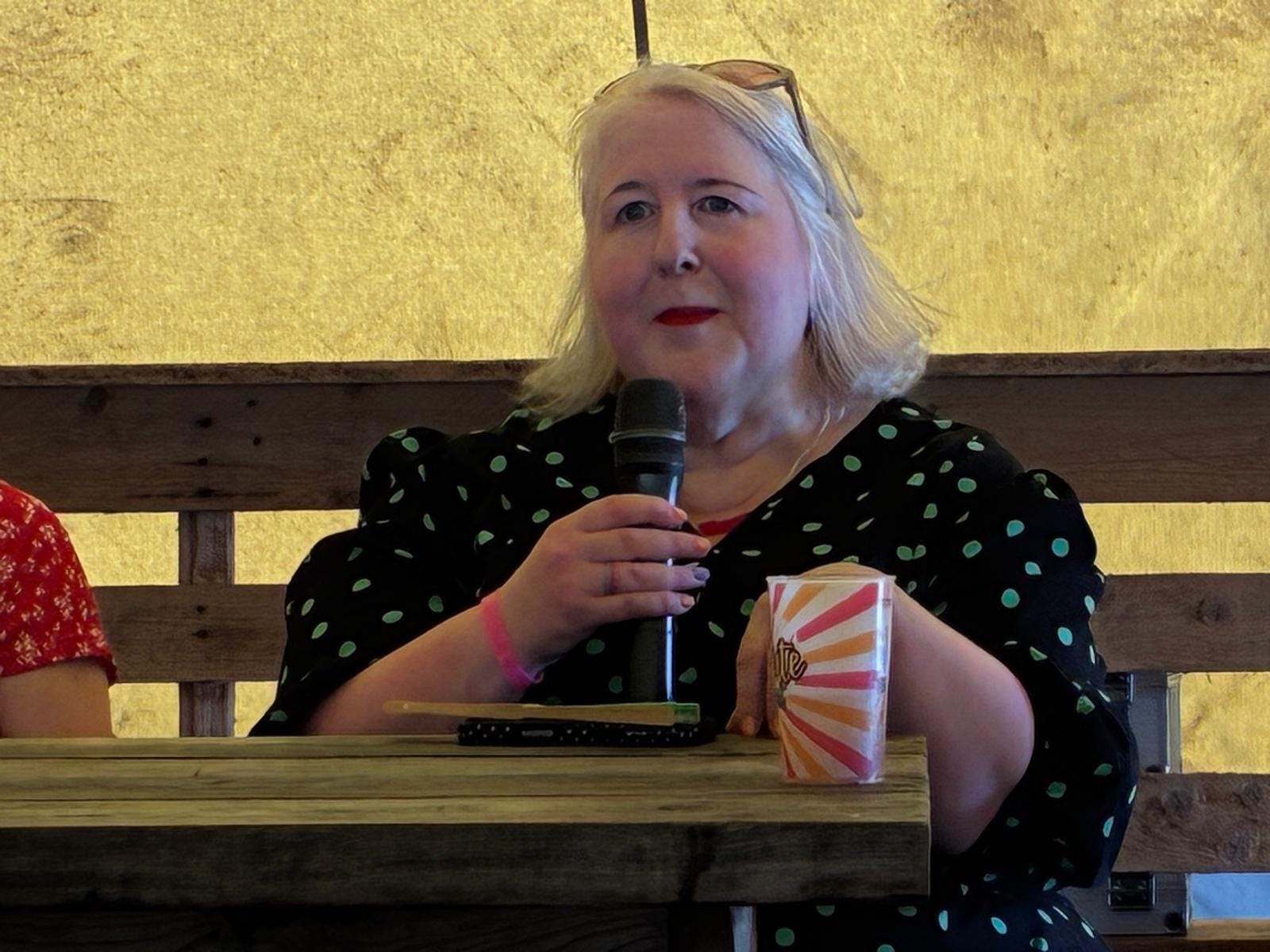
Your advice for career longevity.
Sheer, dogged persistence. I literally don’t know how to do anything else. But also I don’t want to do anything else. You just have to dig in and know that while there will be curveballs (my agent and I always marvel at just how curvebally my career has been,) there will be just as many good, unexpected things as really awful bad things too. I make sure to take advantage of the good times and save money for the bad times. And while I know I might have a different, more successful career, if maybe I’d written more to a formula, I think my ability to pivot within the romance space has stood me in good stead and has stopped me from going creatively stale. But also, I wish that I’d had an agent for my first few YA novels.
Other than the writing what is the best bit of the ‘writer’s life?’
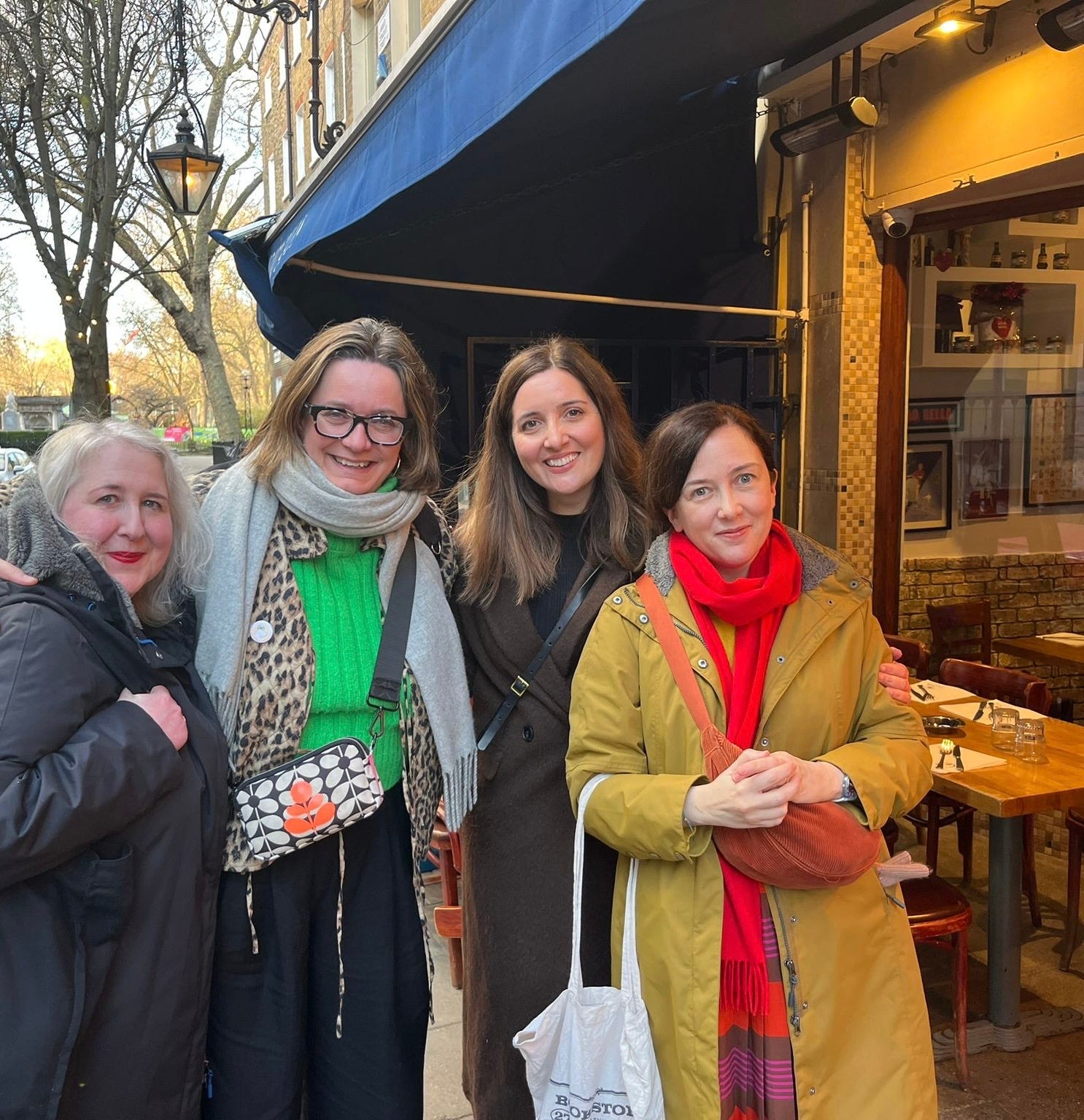
It’s the friends I made along the way! Writing is such a solitary occupation. Just you and the page. I think I would be so far inside my own head that I wouldn’t be able to find my way out without the long gossipy lunches, the group chats, the cheerleading and camaraderie and support from other people doing what is actually a really weird job.
Sarra’s Love Library - romances so good they are worth a re-read
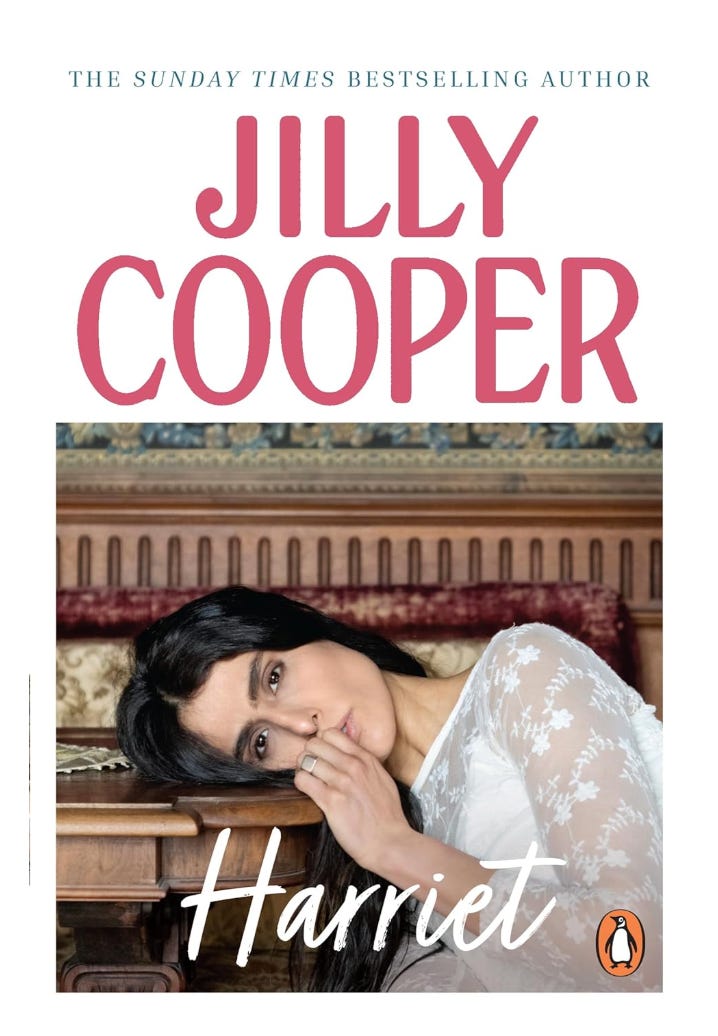
Harriet by Jilly Cooper – I’ve read it so many times that I’ve basically committed it to memory. Really the template for my earlier novels.
The Morning Gift by Eva Ibbotson – a great example of how a romance novel can say so many important things about what’s going on in an imperfect world.
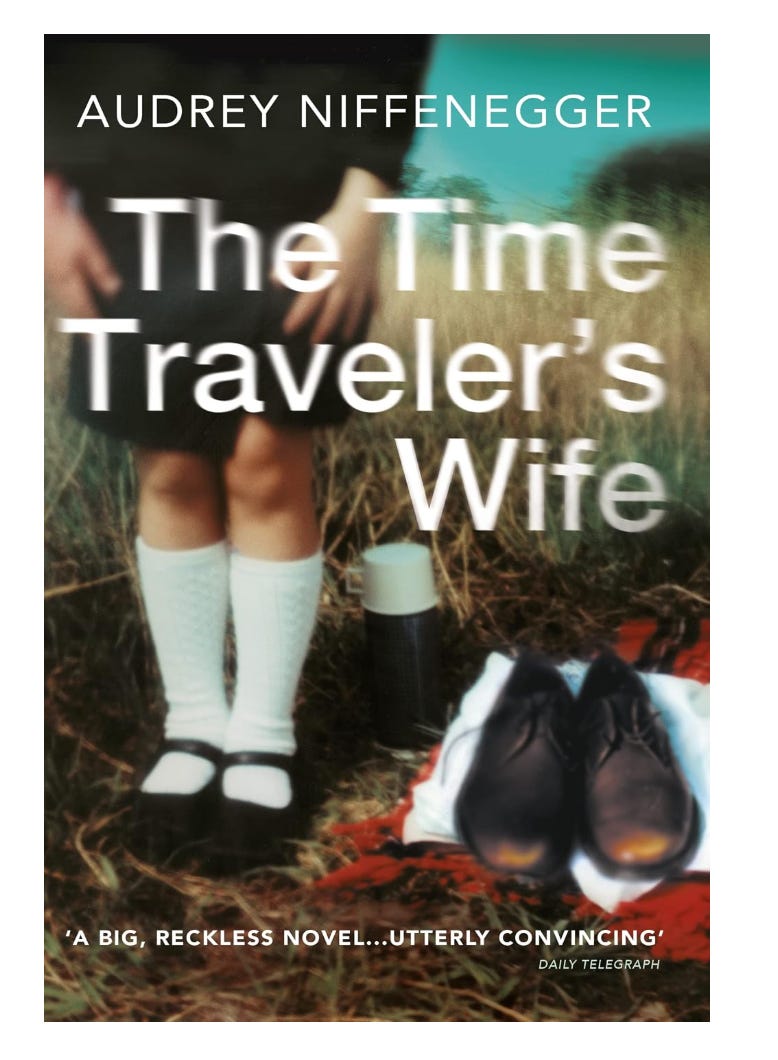
The Time Traveller’s Wife by Audrey Niffenegger – the only book I’ve ever read, finished, then turned back to the first page and started all over again.
Persuasion by Jane Austen – yes, Pride And Prejudice is THE romantic novel blueprint but once you’ve lived as many summers as I have, you understand that Persuasion is the greatest novel about yearning that’s ever been written.
The Billionaires Of Manhattan series by Annika Martin – self published, gloriously funny, sexy and unashamedly full of personality and voice in a world full of identikit, formulaic romances. They are my current go-to comfort reads.
Sarra’s three tips for writing romance
1. There have to be genuine obstacles and jeopardy in the way of true love. Anything that can be sorted out in a five minute conversation doesn’t count. I know some romance readers don’t like a third act break up but I live for them.
2. You have to be in love with your characters in order for them to be believable and lovable to your readers. If you don’t love them, then you’re doing something wrong.
3. And in the words of the wise and wonderful Marian Keyes, “it’s fucking rude not to give people a happy ever after.”
Thanks Sarra. (Find her Substack here.)
x
So interesting to read about another author’s rollercoaster! I’m currently reading The Love Library. What fun!
Realistically cheering in its honesty. Thank you 💜